DDP Shipping from China to Peru: Chancay versus Callao, the New Route Trade-off
Keywords: DDP shipping from China to Peru, door-to-door, customs cleared, duty paid, Chancay, Callao, sea and air freight
Peru is a solid Pacific market for Chinese building materials, machinery, appliances and textiles. With Chancay Port now operating, the sea lane has moved from the Callao-only pattern to two ports in parallel. The new route shortens sailing, but a new port does not suit every shipment: distance, yards, inland connection and address must all be compared. Shippers who only see a faster new route may save sailing days and pay it back in haulage.
Shenzhen Yuyutong Import & Export Co., Ltd. (深圳市粤宇通进出口有限公司) runs DDP sea and air freight with full customs clearance and duty paid; our regular Peru lane works both ports.
Chancay versus Callao: distance, yards and inland links
Callao is the traditional main port near Lima, with mature yards, established customs, trucking and warehouse services, and regular liner calls. Lima metro cargo connects most smoothly here, with a short haul to warehouse.
Chancay lies north of Callao as a newer deep-water port, with a shorter sea leg; sea DDP range is 26–34 days. Yards meet a modern standard, but the inland network is still maturing, so cargo south of Lima or east inland needs its haulage calculated separately.
Trade-off:
· Lima and surroundings: Callao's mature services and short inland leg give flexible delivery
· Short sailing, cargo north: Chancay offers the sailing advantage; confirm liner rotation at booking
· Oversize and FCL: compare handling, yard charges and trucking routes at both ports
· LCL: check which port holds the devanning warehouse; avoid a second short haul
We ask address and category first, then advise the port; where both work, sailing, haulage and charges compare on one quote.
· Invoice, packing list and bill of lading; product, model and quantity match the goods
· HS code, setting the duty band and declaration elements
· Consignee details and local tax ID (RUC)
· Product data: nameplate parameters and use for machinery, specs and certification for appliances, composition and sizes for textiles
· Certificate of origin and category-specific certificates
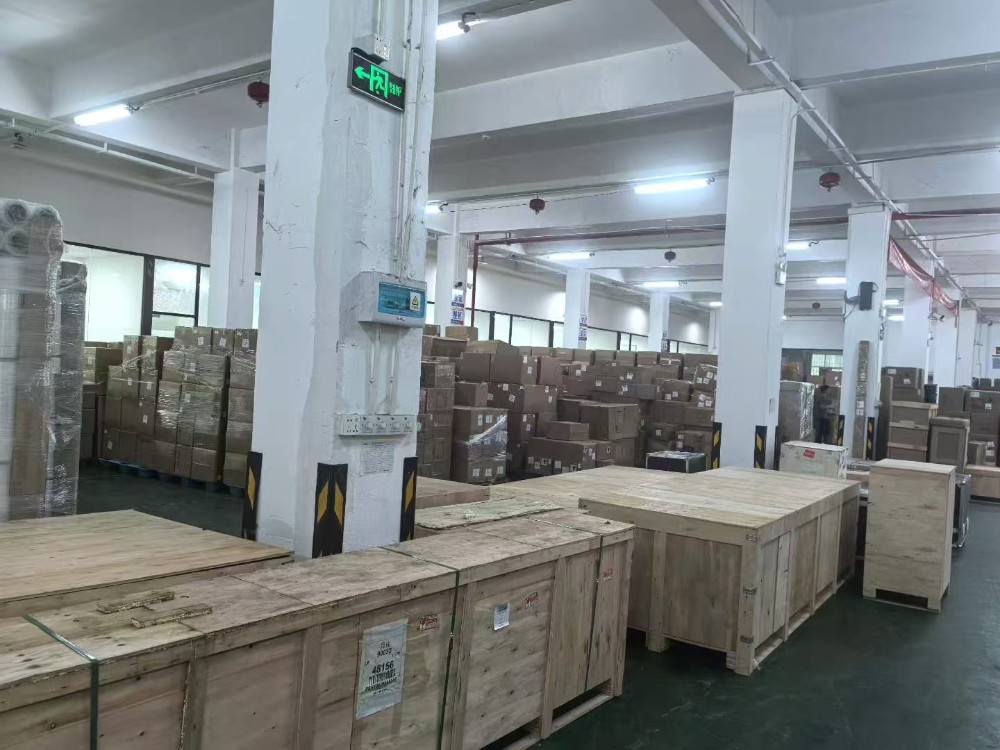
· Wood packaging fumigation requirements; dimensions and centre of gravity for oversize cargo
A pre-shipment review checks invoice, packing list and declarations in China; port choice and papers are confirmed together.
Duty and tax
Peru commonly applies ad valorem duty at 0%, 6% or 11%, plus 18% VAT and municipal surcharges, with the exact basis set by the HS code and current local rates. Bands differ by category, so the tax budget must be pinned to the code.
Free service: send the HS code and Chinese product name, and we will check Peruvian duty, VAT and surcharge basis free of charge, completing the door-to-door cost before dispatch. Taxes are stated in full at quote stage; declarations comply with destination-country rules.
What we actually control
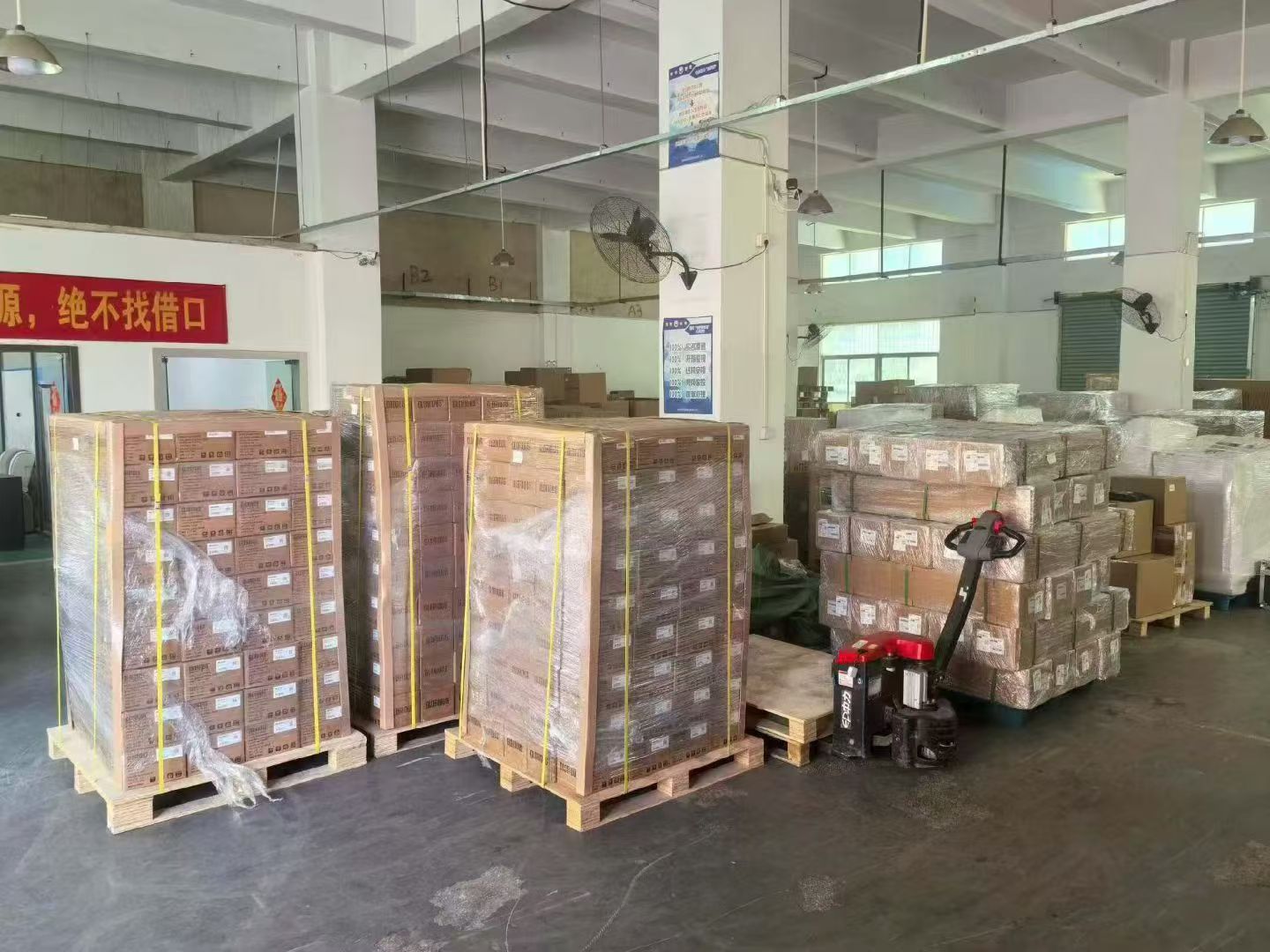
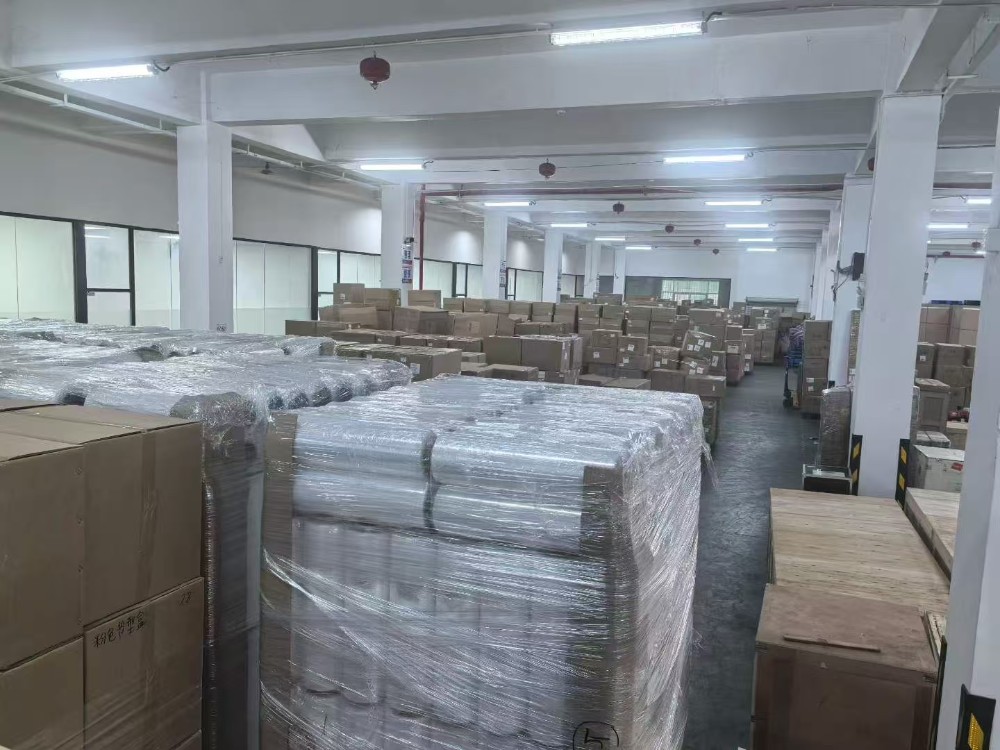
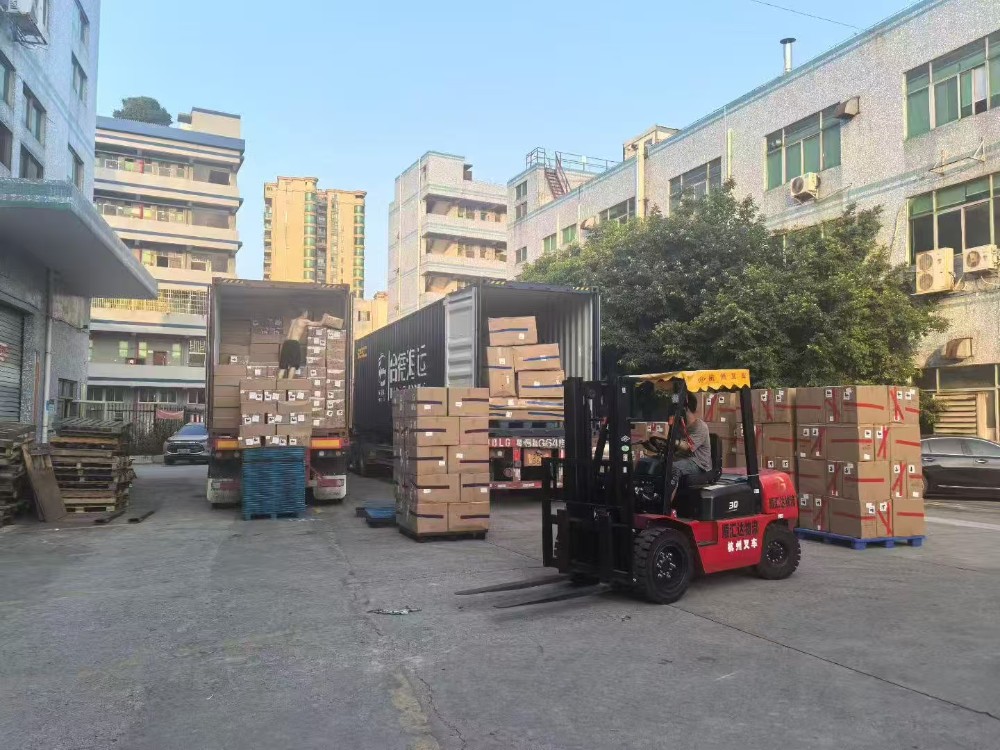
· Direct consolidator with weekly loading — own containers and space, weekly Peru sailings, no borrowed peak-season slots
· Both ports in parallel — Chancay and Callao both operated; sailing and haulage compared by address and cargo
· Sea and air matched — FCL, LCL, air and courier quoted in combination
· Transparent pricing — freight, port charges, clearance and trucking listed separately
Cargo we handle most
Building materials, machinery, appliances and textiles are our main cargo. Heavy building and machinery goods mostly go FCL; appliances fit FCL or LCL; textiles move in batches; urgent stock goes by air or courier.
FAQ
Q1: Is Chancay always faster than Callao? Chancay is shorter on sailing, but door-to-door time depends on inland trucking; Lima-area cargo may haul shorter via Callao.
Q2: Can we specify the port for FCL? Yes. If the consignee names a port, we follow it; otherwise we compare sailing, charges and trucking to propose both.
Q3: How many duty bands does Peru use? Common ad valorem duty is 0%, 6% or 11%, plus 18% VAT and municipal surcharges; the basis follows HS code and current local tariff.
Q4: Which port devans LCL? Devanning warehouse follows actual arrangements at each port; the quote states the devanning point and distance to avoid short-haul fees.
Q5: What should textile shippers watch? Textiles need composition and size declaration elements, with labels and composition marks confirmed by category before dispatch.
Contact
For Peru rates, duty checks and port routing advice:
Ms. Zhu: phone / WeChat +86 131 4885 9771
Mr. Yan: phone / WeChat +86 137 2371 7060
Send product, HS code, volume, weight and the Peru delivery address for a same-day all-in rate.