DDP Shipping from China to Nigeria: SONCAP and Storage Days Are What Eat the Margin
Keywords: DDP shipping from China to Nigeria, door-to-door, customs cleared, duty paid, Apapa, Tincan, Lekki, Onne Port Harcourt, SONCAP, sea and air freight
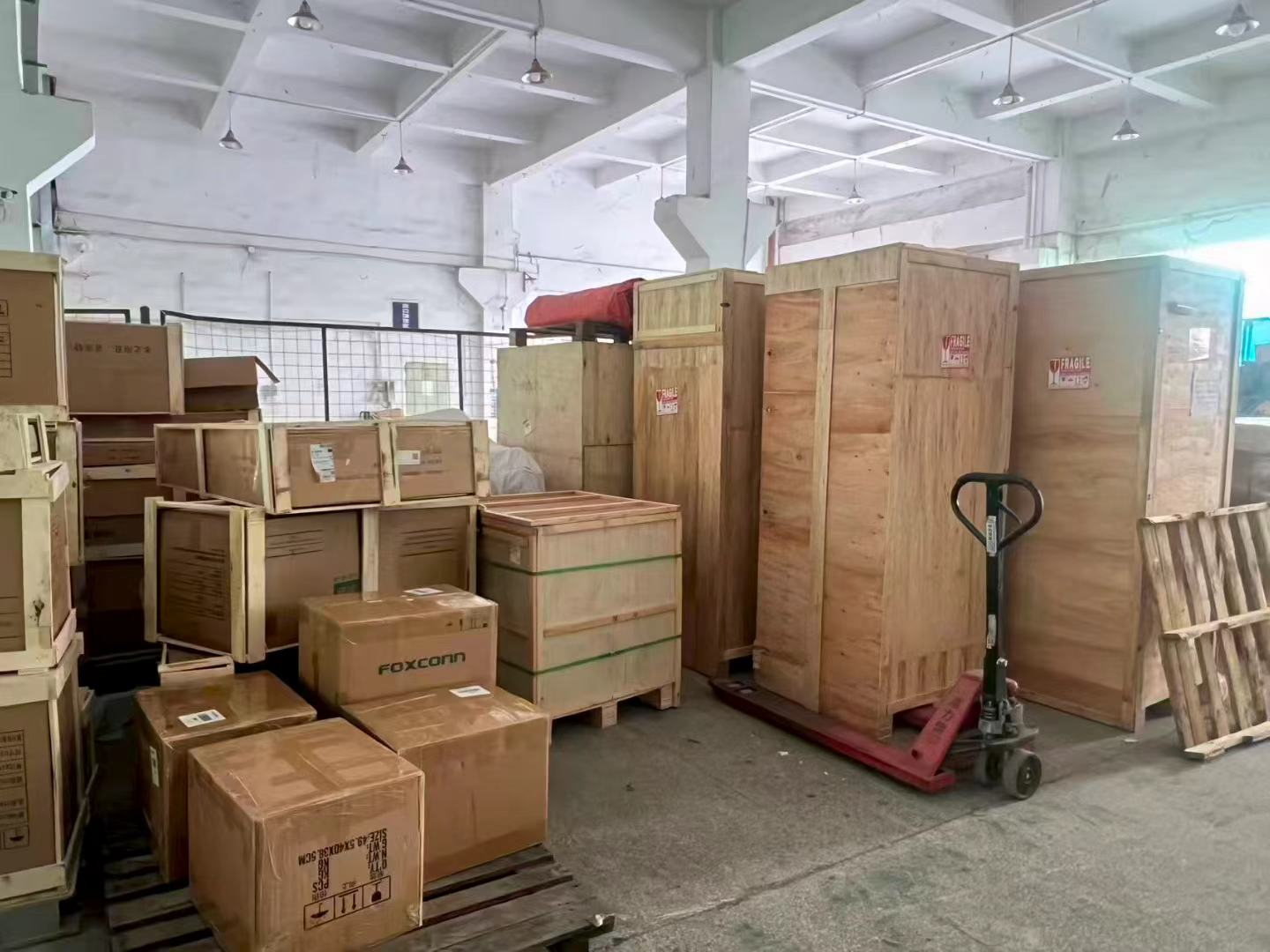
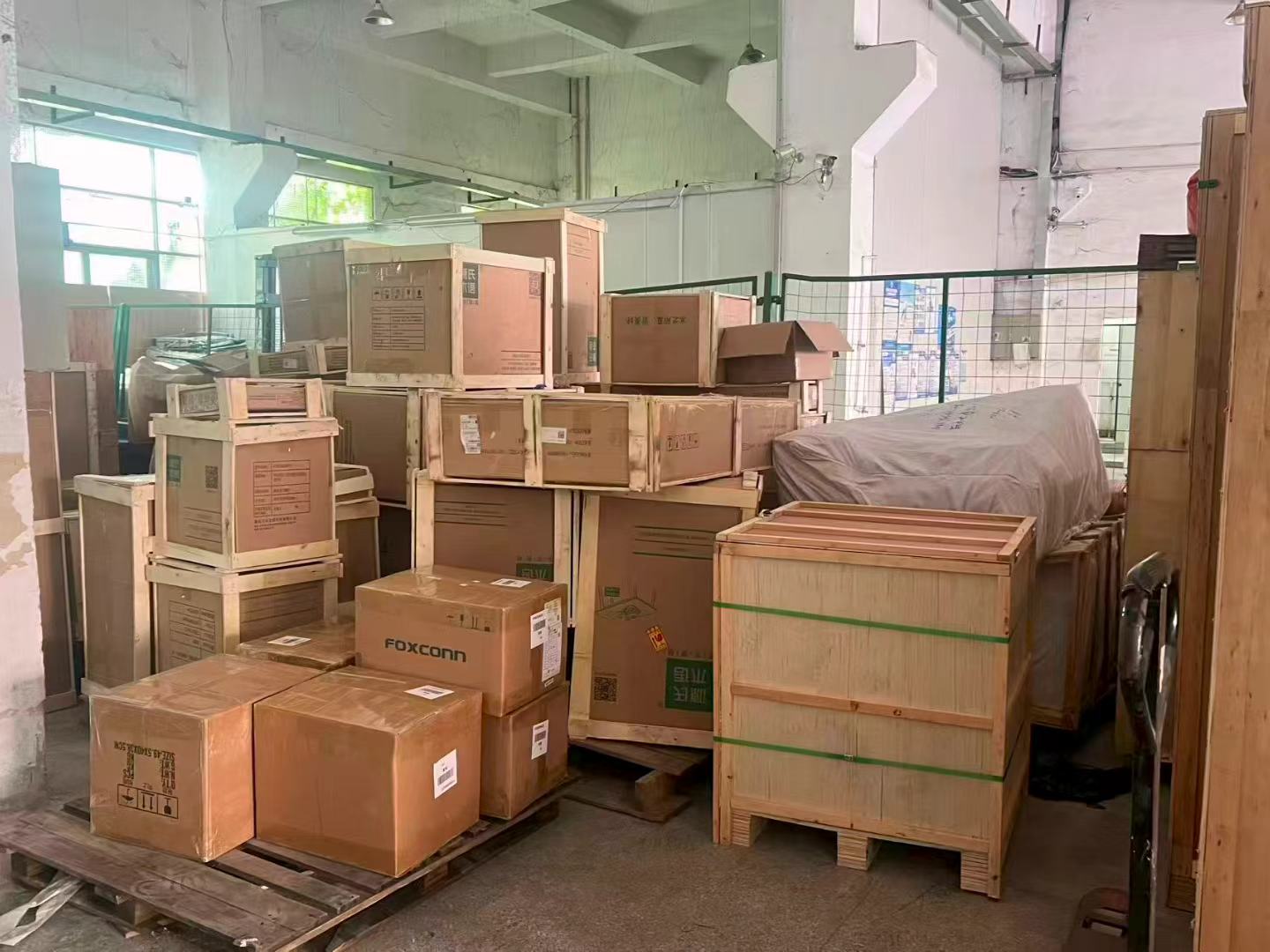
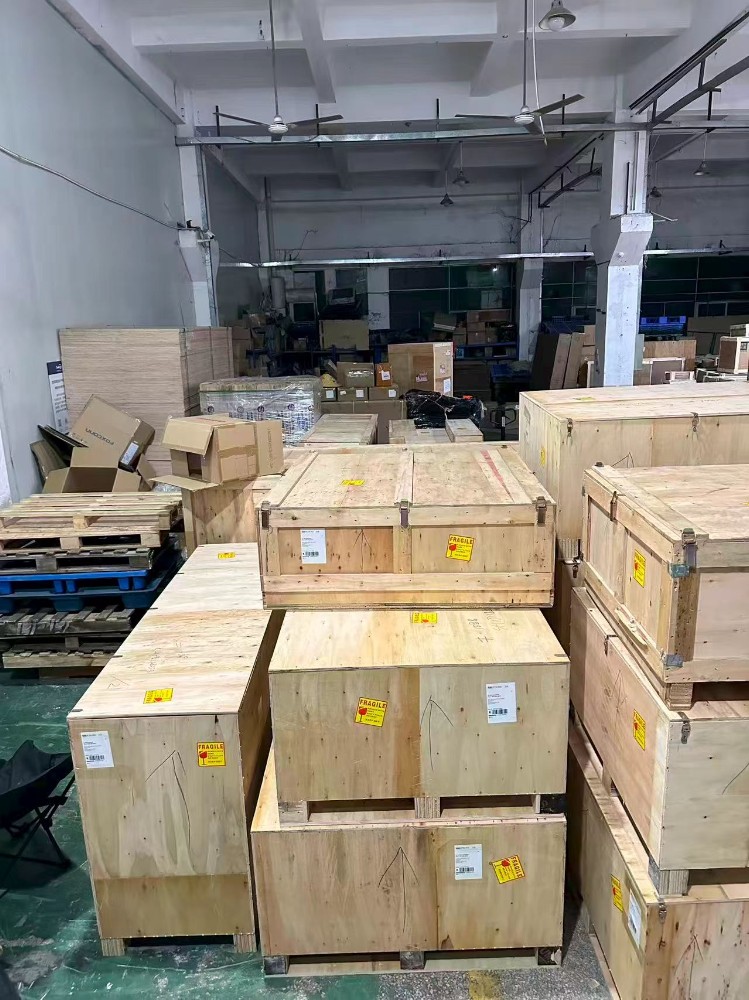
Nigeria is West Africa's largest consumer market, and one where inspection and port storage carry the sharpest risk. The Lagos terminals — Apapa, Tincan and Lekki — are chronically congested. If documents are incomplete, SONCAP is missing, or customs selects the shipment for inspection, cargo accrues daily storage and detention at port; these days often hurt margin more than ocean freight.
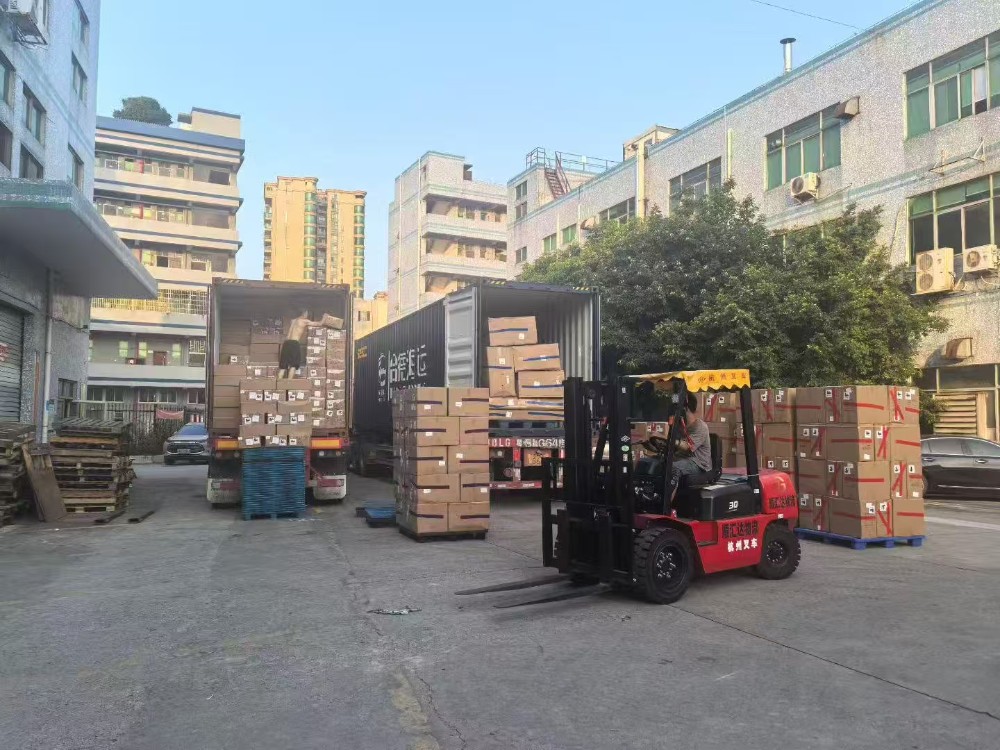
Shenzhen Yuyutong Import & Export Co., Ltd. (深圳市粤宇通进出口有限公司) runs DDP sea and air freight with full customs clearance and duty paid. Nigeria is a regular lane for building materials, generators and machinery, daily goods and auto parts.
SONCAP is the gate that must close before loading
SONCAP has to be completed before shipment. Most controlled products need SONCAP conformity assessment under SON before export; the certificate must match invoice, packing list and physical model so cargo clears on arrival. A missing or expired certificate, or a model mismatch, makes inspection and delay highly likely; paperwork after arrival drives up time and storage cost. We check category and certification route before booking, then schedule the sailing.
Inspection and storage are the big cost items. Lagos congestion is widespread, and inspection occupies container and depot time; storage and detention accrue daily and rise quickly after free time expires. We track each shipment's port status and prepare documents ahead to cut time in port. Food, drugs, cosmetics and supplements need NAFDAC registration in addition to SONCAP, with an early planning window. Apapa and Tincan are the traditional terminals, Lekki the newer one, and Onne near Port Harcourt serves the southern oil area.
Sea DDP runs 32–42 days including congestion and inspection buffer; inspection is outside our control, so we quote a range and explain free-time and storage risk before loading.
Clearance documents
· SONCAP certificate: completed before loading; details match invoice, packing list, bill of lading and goods; expired certificates or mismatches lead to rejection or inspection.
· Basic documents: commercial invoice, packing list, bill of lading or air waybill, HS code, consignee TIN and address; declare value at actual.
· NAFDAC: food, drugs, cosmetics and supplements need NAFDAC registration or approval number; without it the cargo cannot clear or sell.
· Other files: inspection reports for some machinery and generators; certificate of origin where required.
Nigerian customs checks document consistency closely; product, quantity and weight across invoice, packing list and bill of lading must agree. Declare in compliance with destination rules; under-declaration easily triggers inspection and back duty.
Duty and tax
Nigeria imports stack duty, 7.5% VAT and ECOWAS and other levies on top of the CIF value, item by item. Duty brackets vary widely by category, and levies follow local rules. Rates and fee items are subject to the HS code and the latest local tariff schedule.
Send the HS code and Chinese product name and we will check Nigerian duty, VAT and main levies free of charge, laying out the tax structure before loading; duties are settled clearly at quote stage.
What we actually control
· Direct consolidator with weekly loading — own containers and space, regular sailings to Nigeria, no spare-slot scrambling in peak season
· Pre-booking compliance review — SONCAP and NAFDAC routes checked before booking, so a missing certificate does not surface after arrival
· In-port tracking — lift-off, inspection and release monitored after arrival; complete documentation clears first
· Transparent pricing — ocean freight, destination charges, clearance, delivery and inspection-related costs listed item by item
Cargo we handle most
Building materials, generators and machinery, daily goods, auto parts. Generators and machinery carry high value and urgent spares, some by air; building materials and daily goods move in bulk by FCL or LCL. We first confirm whether the category falls under SONCAP or NAFDAC.
FAQ
SONCAP before shipment or after arrival? Controlled products must complete it under SON before loading; post-arrival certification is costly and delay-prone, so arrange it early.
What else do food and cosmetics need for Nigeria? Beyond SONCAP they need NAFDAC registration or approval number; without it the cargo cannot clear or sell, so plan the cycle ahead.
Does inspection always produce detention fees? Inspection occupies depot time; no charge within free time, after which storage and detention accrue daily. Complete documents cut port time.
What taxes apply in Nigeria? Duty, 7.5% VAT and ECOWAS and other levies stack on CIF; confirmed by HS code, which we check free of charge.
How is transit assured with Lagos congestion? Sea DDP is quoted at 32–42 days with a congestion buffer; inspection and congestion are outside control, so no exact-day promise.
Contact
For Nigeria rates, duty checks or channel advice:
Ms. Zhu: phone / WeChat +86 131 4885 9771
Mr. Yan: phone / WeChat +86 137 2371 7060
Send the product, volume, weight and Nigeria delivery address for a same-day all-in rate.